
Why Digital vs. Analog Flexo Workflows Matter
For flexographic printers, the choice between digital vs. analog flexo workflows is no longer just a technology decision. It directly impacts quality, speed to market, labor efficiency, and profitability. As run lengths shrink and brands demand faster turnarounds, many operations are rethinking how digital flexo workflows and analog flexo workflows fit into their business mix.
What Is an Analog Flexo Workflow?
An analog flexo workflow centers on conventional film and analog photopolymer plates. Film is imaged, processed, and used to expose analog plates, which are then washed out, dried, finished, and mounted for press. This approach has served the industry for decades and still offers value in certain environments.
Key characteristics of analog flexo workflows include:
- Lower entry cost for some plate types and processing equipment.
- Proven processes that many teams already know well.
- Adequate quality for basic line work, simple graphics, and less demanding substrates.
However, analog workflows introduce more manual touchpoints, which can increase variability, error risk, and turnaround times compared with digital systems.
What Is a Digital Flexo Workflow?
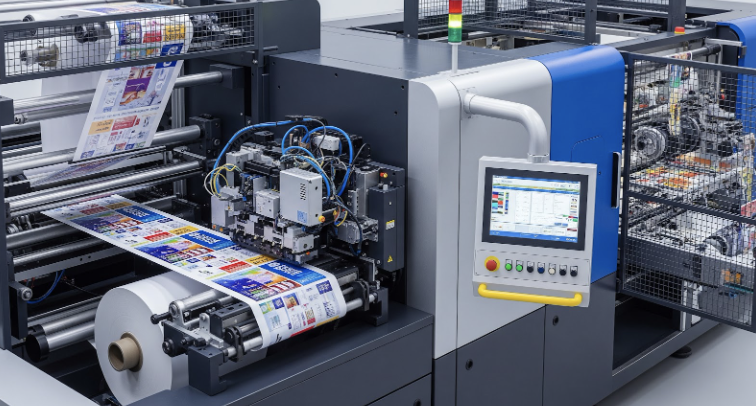
Digital flexo workflows replace film with computer‑to‑plate imaging and plate materials designed for laser ablation. Imaging, screening, and job presets are handled by software, and plates move through an automated or semi‑automated processing line. When combined with thermal or optimized solvent processing, digital imaging can deliver highly consistent, high‑resolution plates with fewer manual steps.
Core attributes of digital flexo workflows include:
- Higher imaging resolution for fine details, smoother vignettes, and better tonal control.
- Automated, data‑driven workflows that reduce operator intervention and plate handling.
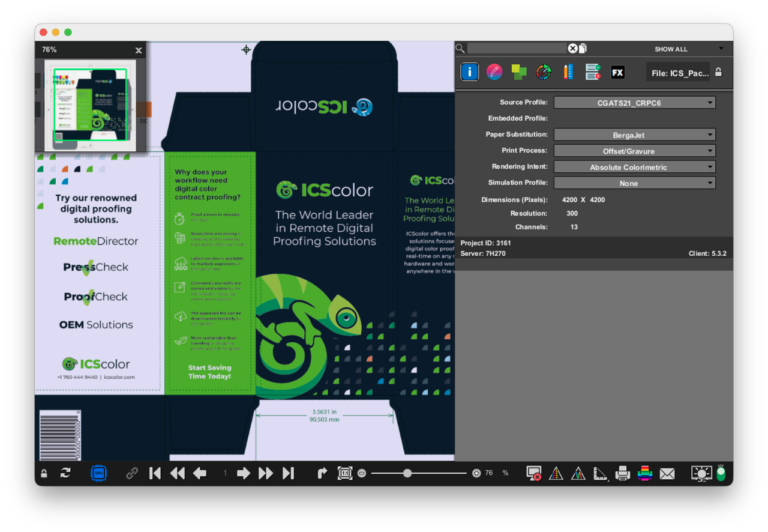
- Easier integration with color management and digital proofing systems for faster approvals.
Suppliers like XSYS and Toyobo MC Corp have focused heavily on connected digital plate lines that automate imaging, exposure, and processing to create touch-free plate workflows and minimize waste.
Digital vs. Analog Flexo Workflows: Core Differences
| Aspect | Analog Flexo Workflows | Digital Flexo Workflows |
|---|---|---|
| Imaging method | Film-based exposure of analog plates. | Direct laser imaging of digital plates, no film. |
| Quality potential | Solid for basic graphics and larger types. | Superior detail, tonal range, and consistency at high resolution. |
| Labor and handling | Multiple manual steps, more plate handling. | Fewer manual steps, more automation from imager to plate processor. |
| Speed to press | Slower due to film processing and manual checks. | Faster, streamlined workflows from file to plate to press. |
| Process variability | Higher risk of variation from film and manual tasks. | Tighter process control and repeatability with integrated systems. |
| Best fit jobs | Long runs, simple corrugated or basic packaging, where ultra-fine detail is not critical. | Short to medium runs, high graphic packaging, labels, and brand-critical work. |
When Analog Flexo Still Makes Sense
Even with the rise of digital, analog flexo workflows can still be the right fit in some scenarios. Shops focused on basic corrugated, sacks, or other applications that do not demand high line screens often find analog plates to be a cost‑effective choice. When designs are simple, and repeat orders are stable, the incremental benefits of digital may be less pronounced.
For operations with established analog plate lines, staying analog in selected product lines can help:
- Maximize existing equipment investments.
- Keep per‑plate costs low for straightforward jobs.
- Maintain familiar processes for teams with long analog experience.
The key is recognizing that analog is no longer the default. It is a strategic option within a broader, hybrid flexo strategy.
The Advantages of Digital Flexo Workflows
Digital flexo workflows are now central to many high‑performing flexographic operations. Anderson & Vreeland’s portfolio of digital imaging, platemaking, and workflow solutions is designed to bring this capability within reach for shops of all sizes. By combining digital imagers, automated plate lines, and color-managed proofing, printers can transform the way they work.
Key advantages include:
- Improved print quality and brand consistency through high-resolution imaging and advanced screening.
- Faster turnarounds that help brands reduce time to market and respond quickly to design changes.
- Reduced manual handling and errors, which supports lean manufacturing goals and lowers waste.
- Better integration with digital color proofing, allowing remote approvals and fewer on‑press corrections.
XSYS technologies, such as Thermoflex imagers and Catena processing lines, illustrate how automation and open architecture can connect each platemaking step into one efficient, repeatable workflow.
How to Choose the Right Path for Your Operation
- Customer and application mix If a significant portion of your work involves high-impact graphics, demanding brand colors, or shorter runs, a digital flexo workflow will usually deliver greater value over time. For commodity corrugated or basic packaging, analog may still be an efficient option, especially if you already own analog plate assets.
- Current bottlenecks and pain points Identify where jobs slow down today. If manual proofing, plate approvals, or repeated plate remakes are frequent issues, a more automated digital workflow and digital proofing solutions can relieve that pressure.
- Labor, training, and staffing
Operations with lean teams may benefit from the reduced handling and automation that digital workflows provide, especially when plate handling is minimized with connected imaging and exposure systems. If your team has deep analog expertise, you may choose to transition gradually with digital imaging on high-value jobs first.
How Anderson & Vreeland Can Help You Decide
Anderson & Vreeland works closely with converters, trade shops, and in‑plant operations to assess current workflows, identify bottlenecks, and design a roadmap that balances digital and analog flexo workflows. By integrating solutions from technology partners like XSYS and leading software providers, A&V helps customers create flexo workflows that support consistent quality and profitable growth.
From on‑site evaluations and digital solution recommendations to implementation support and training, the goal is to ensure every step from design file to mounted plate is aligned, efficient, and reliable. That way, your decision about digital vs. analog flexo workflows becomes part of a broader strategy to strengthen customer relationships and compete more effectively.
Next Steps: Start with a Workflow Assessment
If you are weighing digital flexo workflows against your existing analog processes, a structured workflow assessment is often the best first step. Mapping each stage from artwork to printed substrate makes it easier to see where digital investment will deliver the biggest impact, and where analog can remain a practical, cost‑effective option.
Anderson & Vreeland can help you benchmark your current state, explore technology options, and build a stepwise plan that aligns with your production goals and budget. With the right mix of digital and analog flexo workflows, you can meet today’s demands while preparing for tomorrow’s opportunities.