
A Comprehensive Guide to Maximizing Performance and ROI in Flexographic Printing
Executive Summary
In flexographic printing, the performance and longevity of liquid photopolymer plates directly impact production efficiency, print quality, and bottom-line profitability. While these plates represent a significant investment for converters, many operations fail to realize their full potential due to inadequate storage protocols and improper maintenance practices.
This whitepaper examines the critical factors affecting liquid photopolymer plate degradation and provides evidence-based protocols for extending plate life, reducing replacement costs, and maintaining consistent print quality. Through proper implementation of the storage and cleaning procedures outlined herein, converters can expect to achieve measurable improvements in plate performance, faster turnaround times on refill orders, and substantial cost savings over the operational lifecycle of their printing plates.
Introduction: The Hidden Costs of Plate Deterioration
Liquid photopolymer plates, particularly the AVantage® line, have revolutionized flexographic printing by offering superior resolution, consistent dot reproduction, and exceptional durability. However, these performance advantages can be rapidly compromised through improper handling, inadequate cleaning, and suboptimal storage conditions.
The consequences of plate deterioration extend far beyond the immediate cost of replacement. Deteriorated plates contribute to:
- Reduced print quality, resulting in customer dissatisfaction and potential reprints
- Increased press downtime for plate changes and troubleshooting
- Higher ink consumption due to inconsistent transfer
- Production delays that impact delivery schedules
- Elevated scrap rates from quality control failures
Understanding the scientific principles behind plate degradation and implementing systematic maintenance protocols represents one of the most cost-effective strategies for optimizing flexographic printing operations.
Understanding Liquid Photopolymer Plate Chemistry
The Photopolymerization Process
Liquid photopolymer plates function through a photochemical process in which monomers and oligomers cross-link when exposed to ultraviolet radiation, creating a solid, three-dimensional polymer network. This curing process is what gives these plates their exceptional durability and printing characteristics.
However, this same photosensitivity that makes liquid photopolymer plates so effective during manufacturing also represents their primary vulnerability during storage and use. The polymer matrix remains susceptible to continued cross-linking when exposed to ambient light sources, leading to gradual hardening, embrittlement, and eventual cracking.
The Impact of Environmental Factors
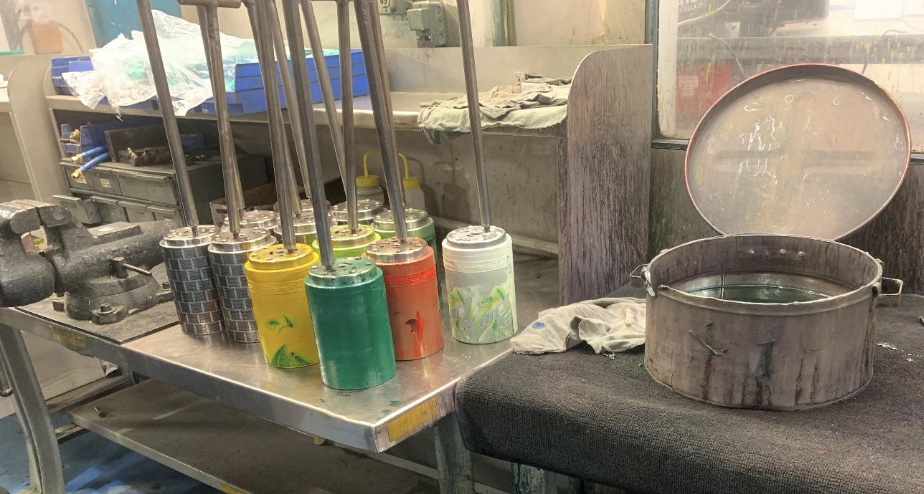
The physical and chemical properties of liquid photopolymer plates respond dynamically to their environment. Three primary factors accelerate degradation:
- Light exposure continues the polymerization process beyond optimal levels
- Heat accelerates chemical reactions and increases polymer chain mobility
- Contaminants (particularly ink residues) can cause surface tackiness and stress cracking
Recognizing these vulnerabilities allows printers to develop targeted protection strategies that address each degradation pathway.
Comprehensive Plate Cleaning Protocol
The Critical Importance of Post-Run Cleaning
Residual ink deposits represent one of the most significant threats to liquid photopolymer plate longevity. When left on the plate surface, dried inks create localized stress concentrations that can initiate crack propagation. Additionally, certain ink chemistries can interact with the polymer matrix, causing surface tackiness that attracts contaminants and compromises subsequent print runs.
Thorough cleaning after each press run is non-negotiable for converters seeking to maximize their plate investment.
Standard Cleaning Procedure
For routine cleaning of liquid photopolymer plates, follow this systematic approach:
Materials Required:
- Gentle detergent or specialized plate wash solution
- Soft bristle brush or lint-free cleaning rags
- Clean water for rinsing
- Drying cloths or an air-drying station
Procedure:
- Initial Assessment – Inspect the plate for visible ink deposits, paying particular attention to fine detail areas and solid coverage zones
- Solution Application – Apply cleaning solution at temperatures not exceeding 140°F to avoid thermal damage to the polymer surface
- Gentle Agitation – Use soft-bristle brushes or lint-free rags with light pressure to remove ink deposits. Aggressive scrubbing can damage the relief surface and compromise print quality
- Thorough Rinsing – Remove all cleaning solution residue with clean water
- Complete Drying – This step is critical. Plates must be completely dry before storage to prevent polymer surface deterioration. Allow plates to air dry in a clean environment or use lint-free cloths for manual drying
Advanced Cleaning: The In-House Cleaning Solution
For dried water-based inks or heavily soiled plates requiring more aggressive cleaning, Anderson & Vreeland recommends a three-component cleaning solution that can be mixed in-house for economical and effective plate maintenance.
Formulation:
| Component | Proportion | Function | Example Quantity |
|---|---|---|---|
| Isopropyl Alcohol (70% solution) | 1 part | Liquefies dried ink rapidly | 1 oz |
| Industrial Ammonia Solution | 2 parts | Returns ink to solution state | 2 oz |
| Clean water | 7 parts | Acts as a flushing vehicle | 7 oz |
| Total | 10 parts | 10 oz |
Application Method:
- Transfer the mixed solution to a clean spray bottle for convenient application
- Apply the solution to the affected areas of the plate surface
- Allow a brief contact time for the solution to penetrate dried ink
- Use lint-free rags to blot (never rub) dissolved ink from the surface
- Rinse thoroughly with clean water
- Dry completely before storage or reuse
Critical Safety Note: Always wear protective gloves and safety glasses during all plate cleaning activities. Ensure adequate ventilation when using ammonia-based solutions.
Feed and Bleed System Maintenance
For operations utilizing automated washout systems (such as the 3048 and 5280 configurations), proper setup and maintenance of the feed and bleed system is essential for consistent plate cleaning performance.
Best Practices:
- Configure the feed and bleed system according to manufacturer specifications to ensure appropriate solution replenishment rates
- Monitor bath quality and replace solution before degradation affects cleaning effectiveness (typically every 15 plates, though proper feed and bleed setup can extend this significantly)
- Clean and recharge the washout unit every two weeks minimum
- Verify system operation through regular quality checks
Proper washout system maintenance not only improves plate cleaning quality but also reduces solution consumption and extends equipment life.
Light Protection: Preventing Photodegradation
The Continuing Cure Problem
One of the most commonly overlooked aspects of liquid photopolymer plate storage involves protection from ambient light sources. Many converters assume that once a plate has been processed and is “cured,” it is no longer susceptible to light-induced changes. This assumption can prove costly.
Liquid photopolymer plates remain photosensitive throughout their operational life. Continued exposure to ultraviolet and even visible light wavelengths causes progressive cross-linking beyond the optimal degree of cure achieved during manufacturing. This over-curing manifests as:
- Increased brittleness and susceptibility to cracking
- Reduced flexibility affecting mounting and press performance
- Surface hardening that alters ink transfer characteristics
- Dimensional instability affecting registration
Light Source Considerations
All common light sources pose potential risks to stored liquid photopolymer plates:
- Direct sunlight presents the highest risk due to intense UV content
- Fluorescent lighting emits UV radiation despite appearing “white” to human vision
- Incandescent lighting produces less UV but still contributes to degradation over extended exposure
- LED warehouse lighting varies in UV content depending on the spectrum, but it should still be considered a risk factor
Recommended Light Protection Protocols
To effectively protect liquid photopolymer plates from photodegradation:
- Immediate Storage – Clean and store plates promptly after use, rather than leaving them exposed in production areas
- Opaque Barriers – Wrap stored plates, particularly those mounted on cylinders, with black polyethylene film or other opaque materials that block all wavelengths of light
- Dedicated Storage Areas – Designate storage locations away from windows, skylights, and direct overhead lighting
- Minimal Exposure Protocol – When retrieving plates for reuse, minimize the time they spend exposed to ambient light before mounting on the press
- Inventory Rotation – Implement first-in, first-out inventory management to prevent extended storage times for individual plates
Temperature and Humidity Control
The Physics of Heat-Induced Degradation
Temperature exerts multiple effects on liquid photopolymer plate stability. Elevated temperatures accelerate chemical reaction rates throughout the polymer matrix, including:
- Enhanced UV sensitivity – Heat increases the rate of light-induced cross-linking
- Ozone cracking – Higher temperatures promote ozone attack on polymer chains, particularly in areas of mechanical stress
- Surface tackiness – Elevated temperatures can cause partial reversion or surface softening
- Dimensional instability – Heat-induced expansion and contraction cycles stress the plate-to-mounting-material bond
Optimal Storage Environment Specifications
Anderson & Vreeland recommends maintaining storage areas within these parameters:
Temperature Range: 70°F – 100°F (21°C – 38°C)
While liquid photopolymer plates can tolerate temperatures up to 120°F (49°C) for limited periods, sustained exposure at upper temperature limits accelerates all degradation mechanisms. Maintaining temperatures in the lower portion of the acceptable range provides the best protection.
Relative Humidity: 60% – 80% RH
Humidity levels affect both the polymer matrix and the adhesive bond between the plate and the mounting material. Excessively dry conditions can cause embrittlement, while high humidity beyond 90% RH may affect adhesive performance and promote biological growth on plate surfaces.
Air Circulation Requirements
Stagnant air in storage areas creates localized hot spots and humidity variations that can affect individual plates differently. Implementing adequate air circulation through:
- HVAC system design that provides consistent air movement
- Strategic placement of fans to eliminate dead zones
- Regular monitoring of temperature and humidity at multiple locations within storage areas
Consistent environmental conditions throughout the storage space ensure uniform plate aging and predictable performance characteristics.
Specialized Storage Considerations for Pre-Mounted Plates
The Geometry Challenge
Pre-mounted liquid photopolymer plates arrive configured in their operational cylindrical geometry. This curved profile, while essential for press mounting, creates specific storage challenges that must be addressed to prevent permanent damage.
Proper Storage Orientation
Hanging Rack Storage:
- Provides optimal support by distributing weight across the mounting material
- Prevents stress concentration at any single point
- Allows air circulation around the entire plate surface
- Facilitates easy inventory management and plate selection
Edge Standing Storage:
- Alternative method when hanging racks are unavailable
- Maintains the cylindrical curve through natural structural support
- Requires adequate spacing to prevent plate-to-plate contact
- Should include protective barriers between plates
The Critical Prohibition: Never Store Flat
Placing a curved, pre-mounted plate in a flat position subjects the bond between the plate and the mounting material to severe stress. The mounting material, engineered with memory to maintain its cylindrical shape, continuously exerts force as it attempts to return to its curved configuration. This sustained stress causes:
- Delamination – Separation of the photopolymer layer from the mounting substrate
- Buckling – Wavelike distortions that make the plate unusable
- Adhesive Failure – Permanent damage to the bonding layer
- Irreparable Damage – Once these failure modes occur, the plate cannot be salvaged
Shipping Container Utilization
The original shipping boxes provided with pre-mounted plates are engineered to maintain proper plate geometry during storage and transport. These containers offer:
- Structural support maintaining cylindrical configuration
- Protection from physical damage
- Light barrier properties
- Convenient labeling and identification surfaces
Retaining and reusing shipping containers for long-term plate storage represents a cost-effective strategy that leverages existing protective packaging.
Implementing a Comprehensive Plate Management System
Standard Operating Procedure Development
Converting these recommendations into consistent practice requires formalization through documented standard operating procedures (SOPs). Effective plate management SOPs should address:
- Post-Run Cleaning Protocol – Step-by-step cleaning procedures with quality checkpoints
- Storage Preparation – Inspection, wrapping, and labeling requirements
- Environmental Monitoring – Temperature and humidity check schedules
- Inventory Management – Tracking, rotation, and retrieval systems
- Periodic Inspection – Scheduled review of stored plates for degradation signs
- Training Requirements – Ensuring all personnel understand proper handling procedures
Training and Accountability
The most sophisticated procedures prove ineffective without proper training and accountability mechanisms.
Successful implementations include:
- Initial training for all personnel handling liquid photopolymer plates
- Regular refresher training to reinforce proper techniques
- Clear assignment of responsibility for storage area maintenance
- Quality audits to verify procedure compliance
- Documentation of cleaning and storage activities
Performance Metrics
Establishing measurable metrics allows operations to quantify the benefits of improved plate management:
- Average plate life – Number of impressions before replacement
- Plate failure analysis – Tracking failure modes to identify process gaps
- Refill order turnaround time – Speed of reordering based on plate condition
- Cost per impression – Overall economic efficiency of plate utilization
- Quality incident correlation – Linking print quality issues to plate condition
Economic Impact Analysis
Direct Cost Savings
Proper storage and maintenance of liquid photopolymer plates generate immediate, quantifiable cost reductions:
Extended Plate Life: A 25% increase in usable impressions per plate translates directly to a 25% reduction in plate replacement costs. For operations with monthly plate expenditures of $10,000, this represents $30,000 in annual savings.
Reduced Scrap and Rework: Plates maintained in optimal condition produce consistent quality, reducing reject rates and eliminating costly reprints that impact both material costs and production capacity.
Faster Turnaround Times: Well-maintained plates ready for immediate reuse eliminate delays associated with rush plate orders or schedule adjustments to accommodate plate unavailability.
Indirect Value Creation
Beyond direct cost savings, proper plate management contributes to broader operational improvements:
- Enhanced customer satisfaction through consistent quality delivery
- Improved production scheduling with predictable plate performance
- Reduced inventory carrying costs through extended plate usability
- Better forecasting accuracy for plate replacement budgets
- Competitive advantage through superior quality and delivery performance
Return on Investment

The investment required to implement comprehensive plate management practices remains modest compared to potential returns:
Initial Investments:
- Storage racks or shelving systems
- Light-blocking materials (polyethylene film)
- Cleaning supplies and safety equipment
- Environmental monitoring equipment (thermometers, hygrometers)
- Personnel training time
Ongoing Costs:
- Cleaning solution materials
- Storage material replenishment
- Periodic environmental monitoring
- Procedure compliance auditing
For most operations, the cost savings from extended plate life alone generate positive ROI within the first quarter of implementation, with additional benefits accruing indefinitely.
Common Pitfalls and Corrective Actions
Insufficient Cleaning
Problem: Rushing through post-run cleaning to minimize downtime, leaving residual ink on plates.
Consequence: Accelerated surface cracking, reduced plate life, and quality inconsistencies on subsequent runs.
Solution: Schedule adequate time for proper cleaning in production planning. Calculate the cost of premature plate replacement versus a few additional minutes of cleaning time.
Inadequate Drying
Problem: Storing plates before complete drying to save time.
Consequence: Polymer surface deterioration, dimensional instability, and potential biological growth.
Solution: Establish dedicated drying stations and include drying time in the cleaning procedure timeline.
Improper Storage Positioning
Problem: Storing pre-mounted plates flat due to space constraints or convenience.
Consequence: Permanent plate damage requiring replacement.
Solution: Prioritize vertical or hanging storage configuration. Recognize that the space saved through flat storage generates costs far exceeding any real estate benefits.
Environmental Neglect
Problem: Failing to monitor storage area temperature and humidity.
Consequence: Accelerated degradation with high variability in plate performance.
Solution: Install simple monitoring equipment and establish regular checking protocols. Address environmental control issues promptly.
Light Exposure
Problem: Storing plates unwrapped in well-lit warehouse areas.
Consequence: Progressive over-curing leading to brittleness and performance degradation.
Solution: Implement mandatory light protection protocols for all stored plates without exception.
Advanced Topics: Process Optimization
Batch Processing Efficiency
Operations running multiple jobs with similar substrates and ink systems can optimize cleaning efficiency through strategic sequencing. Running similar colors consecutively minimizes cleaning requirements between jobs, though final post-production cleaning remains essential for storage preparation.
Specialized Cleaning for Specific Ink Systems
While the recommended cleaning protocols address most common scenarios, certain specialized ink systems may require modified approaches:
UV Inks: May require specific solvents for complete removal; consult the ink manufacturer’s recommendations.
Solvent-Based Systems: Often clean more readily but require appropriate safety precautions and ventilation.
Metallic Inks: Require particular attention to remove all metallic particles that can cause surface abrasion.
Predictive Maintenance Approach
Rather than waiting for obvious degradation, implement periodic plate inspection protocols that catch early warning signs:
- Surface tackiness indicates incomplete cleaning or environmental exposure
- Minor cracking that may propagate with continued use
- Dimensional changes suggesting thermal stress
- Surface discoloration indicating chemical interaction or contamination
Early intervention based on these indicators prevents complete plate failure and extends overall plate inventory life.
Quality Assurance Integration
Pre-Use Inspection Protocol
Before mounting any plate for a production run, conduct a systematic inspection:
- Visual Examination – Check for cracks, surface damage, or contamination
- Dimensional Verification – Ensure plate maintains proper configuration
- Surface Condition – Verify absence of tackiness or surface deterioration
- Mounting Material Integrity – Confirm secure bonding with no delamination
Plates failing any inspection criteria should be segregated for evaluation rather than risked in production.
Post-Use Evaluation
After completing a press run, evaluate plate condition before cleaning and storage:
- Document impression count for life tracking
- Note any wear patterns or performance issues
- Assess whether the plate remains suitable for future use
- Record storage date and expected viable life remaining
This documentation supports data-driven decisions about plate replacement timing and helps identify process improvements.
Sustainability Considerations
Environmental Impact of Extended Plate Life
Proper storage and maintenance practices contribute to environmental sustainability through:
Reduced Material Consumption: Fewer replacement plates mean less manufacturing demand and reduced raw material extraction.
Waste Reduction: Extended useful life keeps plates out of waste streams longer.
Energy Conservation: Manufacturing new plates requires significant energy; extending the existing plate life reduces this demand.
Transportation Efficiency: Fewer replacement orders mean reduced shipping frequency and associated carbon emissions.
Cleaning Solution Environmental Profile
The recommended in-house cleaning solution offers environmental advantages:
- Components are widely available and relatively benign
- Small quantities are required per cleaning operation
- Lower environmental impact than many commercial specialty cleaners
- Reduced packaging waste compared to pre-formulated products
Disposal Considerations
When plates finally reach end-of-life, proper disposal protocols minimize environmental impact. Consult local regulations regarding polymer waste disposal and explore recycling options where available.
Conclusion: The Path Forward
Liquid photopolymer plates represent a sophisticated technology that delivers exceptional flexographic printing performance when properly maintained. These protocols, including comprehensive cleaning, light protection, environmental control, and proper storage orientation, provide a proven framework for maximizing plate life, ensuring consistent quality, and optimizing return on investment.
The difference between operations that achieve exceptional plate longevity and those that experience premature plate failure rarely involves the quality of the plates themselves. Rather, it reflects the discipline and consistency with which storage and maintenance procedures are implemented.
For converters seeking a competitive advantage through operational excellence, plate management represents one of the highest-return investments available. The relatively modest effort required to implement proper protocols generates measurable benefits across multiple performance dimensions: cost reduction, quality consistency, production efficiency, and customer satisfaction.
The question is not whether proper plate management justifies the investment, but rather whether operations can afford the hidden costs of neglecting these critical practices.
Next Steps: Partner with Anderson & Vreeland
Anderson & Vreeland brings decades of expertise in flexographic printing solutions, combining industry-leading products with comprehensive technical support. Our team understands that superior printing results depend not only on quality plates but also on the knowledge and practices that maximize their performance.
How Anderson & Vreeland Supports Your Success
Technical Consultation: Our specialists provide customized guidance for implementing plate management protocols optimized for your specific operations.
Training Programs: Comprehensive training ensures your team understands and consistently applies proper maintenance procedures.
Product Expertise: In-depth knowledge of AVantage® liquid photopolymer plates and their optimal handling requirements.
Ongoing Support: Responsive technical assistance when questions or challenges arise.
Quality Commitment: Every AVantage® plate meets rigorous quality standards, providing the foundation for exceptional printing performance.
Discover how proper plate management combined with industry-leading products can transform your flexographic printing operation. Our team is ready to discuss your specific requirements and develop solutions that deliver measurable results.
Anderson & Vreeland
Phone: (866) 282-7697
Your Partner in Flexographic Printing Excellence