
The flexographic printing industry is undergoing a steady transformation, with LED exposure technology leading the charge. As sustainability expectations rise and fluorescent bulbs decline, LED exposure in flexographic plate making is emerging as both a forward-looking and commercially viable alternative. For converters, prepress specialists, and plate processors, understanding how LED exposure systems align with polymer behavior, regulatory trends, and production demands is essential for long-term success.
The Shift from Fluorescent to LED Exposure
Although legislation and regulations around fluorescent bulb phase-outs are progressing at varying speeds, most are aimed at residential and commercial lighting, leaving specialized sectors, like flexographic plate making, somewhat insulated for now.
However, change is still inevitable. Fluorescent bulb volumes are dropping rapidly, and leading OEMs have already ramped up LED-based solutions to prepare for the future. In short, the question is no longer if LED exposure will replace fluorescent systems, but how and when flexo operations will adapt.
Exposure Technology: High vs. Low Intensity Systems
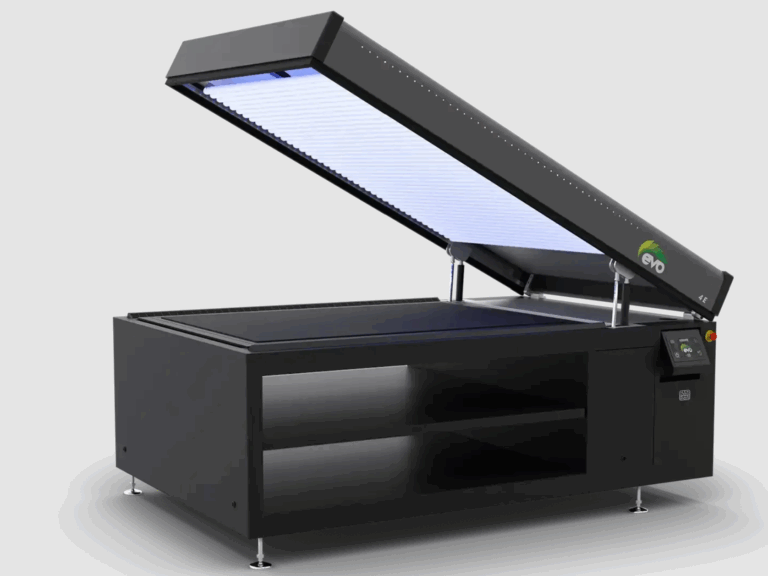
New exposure units entering the market can be broadly categorized into two primary types: high-intensity LED systems and low-intensity or drop-in replacements.
- High-Intensity LED Exposure Systems:
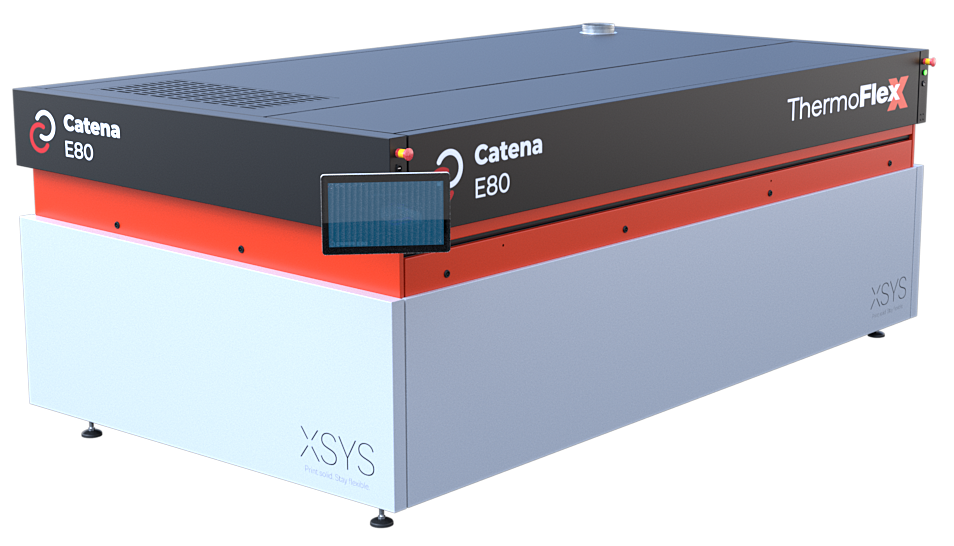
Systems like the Esko XPS, XSYS Catena, and G&J FlexPose LED have ushered in a new standard of plate quality and performance. These units deliver strong initiation energy—effectively overcoming the oxygen inhibition that often influences plate dot shape. The result: more consistent flat-top dots and improved imaging productivity. However, this intensity can require reworking legacy files originally designed for round-top dot plates, creating an additional transition cost for existing jobs. - Low-Intensity and Drop-In Solutions:
Systems such as Shine LED, Vianord, and several newer small-format designs provide an adaptable path for operations looking to transition gradually. These lower-intensity LED exposure solutions allow printers to maintain legacy plate behavior while still capturing the reliability and reduced energy consumption LEDs offer. As the market responds, even OEMs are introducing drop-in LED bulbs engineered for direct replacement of fluorescent lighting, reducing capital investment barriers.
LED-Optimized Polymer Development
While hardware innovation continues to accelerate, the evolution of photopolymer materials has been slower but equally impactful. Plate manufacturers are engineering UV LED-optimized polymers that enhance curing consistency and reduce defects such as rounded image elements, reverse fill-in, and excessive cure times.
Some challenges persist—primarily when high-intensity exposure creates over-cured or grainy effects on polymers built to handle oxygen inhibition. However, the latest plate formulations, like certain digital photopolymers, demonstrate faster exposure, improved thermal resistance, and better alignment between plate chemistry and LED light wavelengths.
Ultimately, the integration of LED exposure in flexographic plate making depends as much on polymer readiness as on equipment performance.
Planning for the LED Future
As polymer and exposure technologies continue to advance in parallel, converters must take a strategic approach:
- Evaluate whether the operation’s long-term goal is incremental adoption or a full system overhaul.
- Discuss with plate suppliers how current polymers behave under LED exposure conditions.
- Follow regulatory and energy-efficiency trends to anticipate when LED systems may become standard.
- Consider how automation and system integration may evolve in the next generation of LED platemaking systems.
Even if an LED system is not in your immediate capital forecast, understanding LED exposure behavior and compatibility should already be part of your supplier and equipment strategy.
Lighting the Way Forward with LED Innovation
LED exposure in flexographic plate making represents more than just a lighting improvement—it’s a shift toward greater control, energy efficiency, and print consistency. As technology choices expand across both high-intensity and drop-in LED systems, collaboration among equipment manufacturers, polymer developers, and converters will determine the pace of industry-wide adoption.
Whether your next flexo investment involves high-end automation or gradual modernization, the future of flexo plate making is illuminated by LED.
Ready to explore the advantages of LED flexo plate exposure for your operation?
Connect with Anderson & Vreeland to find the right exposure system, polymer, and process strategy to future-proof your plate room.