
The sustainability conversation your flexo supply chain is not having yet.
Sustainability has gotten loud in the packaging industry. Brands are printing “made from 100% recyclable materials” on corrugated boxes, converters are fielding more questions than ever from eco-conscious customers, and suppliers are all working to get on the right side of that story. This is a necessary shift, but there is a question that keeps getting skipped: where did your mounting tape come from, and what did it cost the planet to get there?
That question is at the heart of why Anderson and Vreeland partners with Adheso Graphics, and it is worth slowing down to answer it properly.
Manufactured in West Virginia, Not Imported from Overseas
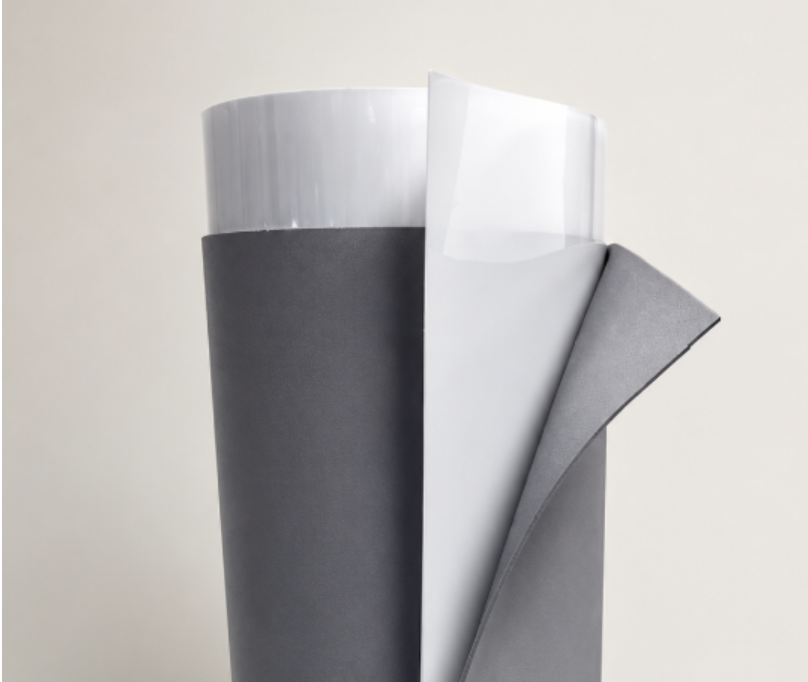
Adheso Graphics polyurethane mounting foam is made in West Virginia. A lot of buyers read that as a logistics footnote, but it’s not.
Imported mounting foam travels by ocean freight before it ever reaches a US distributor. That is a long, fuel-heavy journey with a carbon cost that never shows up on a spec sheet. Sourcing domestic flexo mounting tape from Adheso Graphics shortens that chain considerably, cutting the emissions attached to every roll before it hits your dock. When you are printing pizza boxes, cereal cartons, beer cases, or shoe boxes at volume, the materials holding your plates are part of your environmental footprint, whether you are accounting for them or not.
There is a weight difference worth factoring in, too. Adheso Standard PUR Mount at 120 thickness comes in at 61 lbs versus 85 lbs for a comparable PE foam product at the same thickness. Lighter material burns less fuel per shipment all the way down the distribution chain. That compounds the carbon benefit of domestic sourcing before you even get to performance.
What Happens to Foam in an Ocean Container?
This issue does not come up enough. Ocean freight containers are not climate controlled. Temperature and humidity shift throughout a sea voyage, and adhesive-backed materials are genuinely sensitive to those conditions. Cold stiffens adhesives. Repeated thermal cycling over weeks of transit is not controlled or predictable. By the time imported mounting foam arrives at your dock, it has been stressed in ways that are hard to detect and harder to plan around.
Domestically produced foam skips all of that. Shorter transit, controlled warehousing, consistent handling. What arrives performs the way it was designed to. For flexo operations where plate adhesion and mounting consistency directly affect uptime and scrap rates, that reliability is not a soft benefit.
Lead Times, Tariffs, and the Cost of a Long Supply Chain
Overseas supply chains are long by definition, and length creates vulnerability. Extended lead times mean buyers need to carry more safety stock, which ties up capital and storage space. Import tariffs add cost that eventually finds its way to the buyer. And when something goes wrong, whether that is a port disruption, a customs delay, or a quality concern, the resolution timeline is measured in weeks rather than days.
Because Adheso Graphics’ foam is manufactured and stocked domestically, Anderson and Vreeland can offer the kind of availability and responsiveness that imported products simply cannot match on a consistent basis. Faster lead times reduce the need for excess inventory, and competitive pricing without tariff exposure means you are getting a better value without absorbing the hidden costs built into most import supply chains.
Consistency, Waste Reduction, and What Sustainability Actually Looks Like in Practice
Plate carriers built around Adheso Graphics’ mounting foam are designed for repeatable results run to run. That matters more than it sounds. Inconsistency in mounting is one of the quieter waste sources in a flexo shop. Lifting, registration drift, and remounting accumulate over time in both materials and press downtime. A mounting solution that works reliably is, in real operational terms, a more sustainable one.
On the recyclability question: foam and mylar are recyclable as base materials, though adhesive components complicate full recyclability in most cases. PVC-backed alternatives raise a different concern because PVC can off-gas during certain disposal processes, which is worth weighing if your operation takes its environmental commitments seriously.
A Supply Chain Decision that Supports the Claims on the Box

When a brand prints “made from recyclable materials” on a corrugated shipper, the credibility of that claim runs through every decision in the production process, including the mounting materials used to hold the plates that printed it. Choosing domestic flexographic mounting foam from Adheso Graphics, available through Anderson and Vreeland, reduces carbon footprint, supports US manufacturing, improves lead time reliability, and removes tariff cost from the equation. Those outcomes are verifiable. A sustainability tagline is not.
If you want to talk through how Adheso Graphics’ products fit your specific press setup, reach out to your Anderson and Vreeland representative. This is a conversation worth having.